Photo credit to freepik.com
Hormones are chemical messengers that regulate nearly every function in the body from metabolism and mood to fertility and immune response. When these delicate systems fall out of sync, it can lead to a range of physical and emotional issues such as fatigue, weight gain, mood swings, infertility, insomnia, and more. While conventional medicine often addresses these imbalances, many people seek natural, holistic approaches. One such option gaining popularity is acupuncture, a cornerstone of Traditional Chinese Medicine (TCM).
This article explores how acupuncture may support hormone balance, the mechanisms behind its effects, the conditions it may help treat, what scientific evidence exists, and how it can be integrated into a broader health and wellness plan.
Understanding Hormone Imbalance
What Are Hormones?
Hormones are chemical messengers produced by glands in the endocrine system. They travel through the bloodstream to tissues and organs, regulating processes like:
- Growth and development
- Mood and emotional regulation
- Sexual function and reproduction
- Sleep-wake cycles
- Energy levels and metabolism
Common Causes of Hormonal Imbalance
Hormonal imbalances can arise from numerous factors:
- Chronic stress
- Poor diet and nutrition
- Sleep disorders
- Environmental toxins (endocrine disruptors)
- Aging and menopause
- Medical conditions (e.g., PCOS, hypothyroidism)
- Use of hormonal contraceptives or medications
Acupuncture: An Overview
What Is Acupuncture?
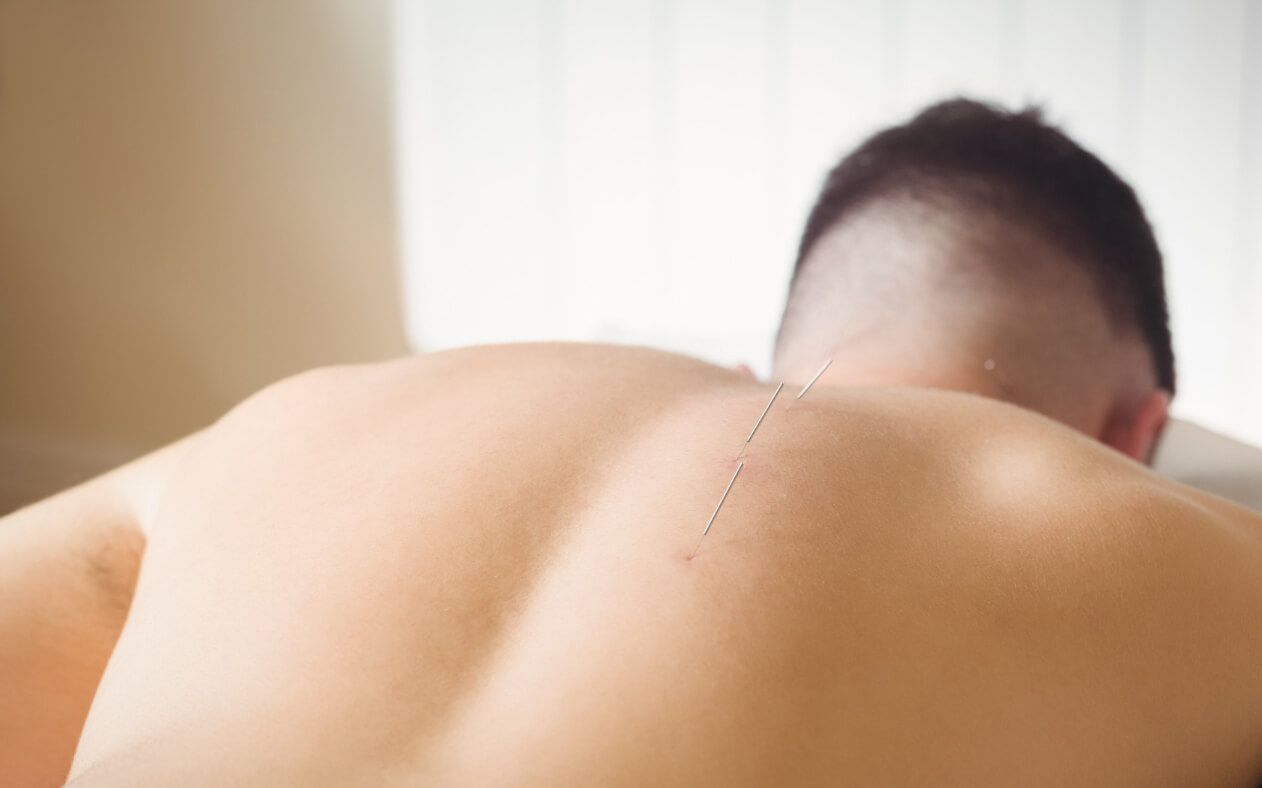
Acupuncture involves the insertion of thin, sterile needles into specific points on the body to stimulate the flow of Qi (vital energy) along meridians. In TCM, imbalances in Qi can manifest as illness, including hormone disruption.
Modern Scientific Perspective
From a biomedical viewpoint, acupuncture is believed to:
- Stimulate the central nervous system
- Promote the release of neurotransmitters and hormones
- Influence the hypothalamic-pituitary-adrenal (HPA) axis
- Improve blood circulation and reduce inflammation
These effects are particularly relevant for regulating the endocrine system.
How Acupuncture Balances Hormones
Acupuncture works to restore homeostasis by targeting key hormonal pathways. Here are the primary ways it affects hormonal regulation:
Regulating the HPA Axis
The hypothalamus-pituitary-adrenal (HPA) axis is central to stress response and hormone production. Chronic stress can lead to cortisol imbalances, which affect thyroid, sex, and growth hormones. Acupuncture may help:
- Reduce cortisol levels
- Normalize adrenal function
- Improve the body’s response to stress
Supporting the Hypothalamic-Pituitary-Gonadal (HPG) Axis
The HPG axis regulates reproductive hormones such as estrogen, progesterone, and testosterone. Acupuncture has been shown to:
- Improve ovulatory function
- Regulate menstrual cycles
- Enhance testosterone levels in men
Balancing the Thyroid
Though indirect, acupuncture may support thyroid health by:
- Enhancing blood flow to the thyroid gland
- Modulating the immune system in autoimmune thyroid conditions (e.g., Hashimoto’s)
- Reducing inflammation and oxidative stress
Conditions That Acupuncture May Help
Acupuncture is increasingly used as a complementary therapy for various hormone-related conditions.
Premenstrual Syndrome (PMS) and Menstrual Irregularities
Symptoms like mood swings, cramps, bloating, and irregular periods often stem from fluctuating estrogen and progesterone. Acupuncture may help by:
- Regulating the menstrual cycle
- Reducing PMS symptoms
- Improving blood flow to the reproductive organs
Polycystic Ovary Syndrome (PCOS)
PCOS is characterized by high androgens, irregular periods, and insulin resistance. Acupuncture may:
- Improve insulin sensitivity
- Lower androgen levels
- Promote ovulation
Infertility
Whether due to irregular ovulation, poor egg quality, or male factor infertility, acupuncture may:
- Enhance ovarian and uterine blood flow
- Improve egg and sperm quality
- Increase IVF success rates when used adjunctively
Menopause and Perimenopause
Symptoms like hot flashes, night sweats, and mood changes result from declining estrogen. Acupuncture can:
- Reduce the frequency and intensity of hot flashes
- Improve sleep quality
- Ease anxiety and depression
Thyroid Disorders
For conditions like hypothyroidism or Hashimoto’s thyroiditis, acupuncture may:
- Improve fatigue and brain fog
- Support immune modulation
- Enhance general well-being
Adrenal Fatigue and Chronic Stress
Though not a medically recognized diagnosis, many people experience symptoms of burnout. Acupuncture can help:
- Rebalance cortisol levels
- Improve energy and resilience
- Promote relaxation and parasympathetic activation
Scientific Evidence and Research
While more rigorous studies are needed, current research provides promising insights:
- A 2011 study in Fertility and Sterility found that acupuncture improved pregnancy rates among IVF patients.
- A 2016 systematic review published in Obstetrics & Gynecology reported that acupuncture can significantly reduce menopausal symptoms like hot flashes.
- A 2017 meta-analysis suggested acupuncture could be beneficial in managing PCOS symptoms and improving ovulation frequency.
- A 2013 study in the Journal of Clinical Endocrinology & Metabolism indicated acupuncture reduced cortisol levels and improved anxiety.
Though the quality and size of studies vary, the emerging consensus is that acupuncture holds therapeutic value for hormone regulation, particularly when used as part of a comprehensive treatment plan.
What to Expect in a Treatment Plan
Initial Assessment
A TCM practitioner will evaluate your health history, menstrual cycle, stress levels, sleep, digestion, and other lifestyle factors. Diagnosis often includes pulse and tongue analysis.
Frequency and Duration
- Acute conditions may require weekly treatments for 4-6 weeks.
- Chronic hormonal imbalances may need longer treatment (3-6 months or more).
- Maintenance treatments can be spaced monthly or seasonally, depending on goals.
Treatment Techniques
- Body Acupuncture: Needles are inserted at body points along meridians.
- Auricular Acupuncture: Ear acupuncture to stimulate the nervous and endocrine systems.
- Moxibustion: Burning of the herb mugwort near points to warm and strengthen energy.
- Electroacupuncture: Mild electrical current applied to needles to enhance stimulation.
Choosing a Qualified Practitioner
- Look for certification by bodies like the National Certification Commission for Acupuncture and Oriental Medicine (NCCAOM) or equivalent in your country.
- Choose a practitioner experienced in hormone-related conditions or women’s health.
Lifestyle Tips for Hormonal Balance
For best results, combine acupuncture with supportive lifestyle habits:
- Nutrition: Eat balanced meals with healthy fats, proteins, and complex carbs.
- Stress Management: Practice yoga, meditation, or breathwork.
- Sleep Hygiene: Aim for 7-9 hours of quality sleep nightly.
- Movement: Engage in regular, moderate exercise.
- Avoid Endocrine Disruptors: Limit plastic use, pesticides, and synthetic fragrances.
Conclusion
Acupuncture offers a time-tested, holistic approach to hormone balance. By working with the body’s natural systems, especially the nervous and endocrine systems, it helps restore equilibrium, reduce symptoms, and promote overall well-being. Whether you’re dealing with PMS, menopause, PCOS, or chronic stress, acupuncture can be a powerful ally in your healing journey.
Visit the Acupuncture Halls clinic in San Juan Capistrano, California, if you’re considering acupuncture for hormone balance. You can get assistance from a licensed acupuncturist at the clinic. Please fill out this form or call 949-510-6333 to make an appointment.