Photo credit to freepik.com
Modern medicine has given us life-saving tools such as antibiotics and other prescription medications. These treatments can eliminate dangerous infections, manage chronic conditions, and improve quality of life. However, many people notice that after completing a course of antibiotics or long-term medication, their bodies may feel out of balance. This is where acupuncture can serve as a supportive therapy to help restore harmony and promote natural cleansing.
Acupuncture, a core practice of Traditional Chinese Medicine (TCM), has been used for thousands of years to regulate the body’s energy, known as Qi, and to support the body’s natural ability to heal itself. Today, more people are turning to acupuncture as a complementary therapy to cleanse, reset, and rejuvenate after medication use.
How Antibiotics and Medications Affect the Body
Antibiotics and medications are powerful, but they can also cause side effects or disrupt natural balance. Some common effects include:
- Digestive disturbances such as bloating, diarrhea, or constipation due to changes in gut bacteria.
- Weakened immune response since antibiotics kill both harmful and beneficial bacteria.
- Fatigue and low energy caused by stress on the liver and kidneys, the body’s main detoxification organs.
- Skin issues like breakouts or rashes, often linked to internal imbalance.
- Emotional changes such as anxiety or mood swings because of how medications affect hormones and neurotransmitters.
While the body naturally works to restore balance, acupuncture can accelerate this process by supporting detoxification pathways, improving circulation, and calming the nervous system.
How Acupuncture Helps Cleanse After Medication
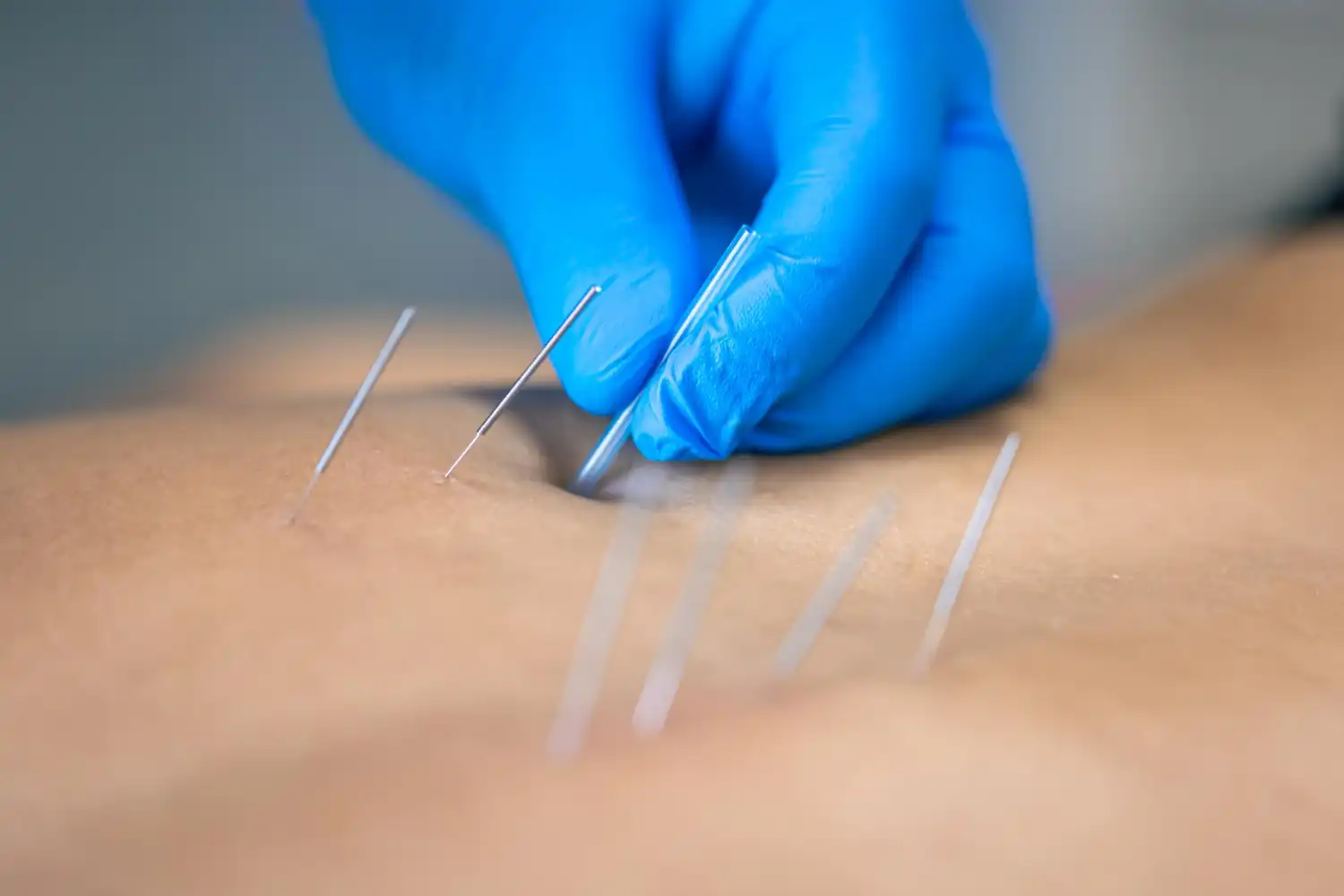
Acupuncture uses fine needles placed at specific points on the body to encourage balance and healing. From a TCM perspective, antibiotics and medications can create stagnation, heat, or dampness in the body. Acupuncture helps move and regulate Qi, ensuring smooth flow of energy and better organ function.
Here are some of the ways acupuncture supports cleansing after antibiotics or medications:
1. Supports Liver and Kidney Function
The liver and kidneys play central roles in filtering toxins and processing medications. Acupuncture points targeting these organs can improve their efficiency, allowing the body to release pharmaceutical residues more effectively.
2. Restores Gut Health
Since antibiotics disrupt gut flora, acupuncture helps regulate digestion, reduce bloating, and strengthen the spleen and stomach energy. This creates a healthy environment for beneficial bacteria to repopulate.
3. Boosts the Immune System
Acupuncture enhances the body’s defense mechanisms, helping it recover faster from the weakening effects of strong medications.
4. Calms the Nervous System
Many medications overstimulate or suppress certain nervous system functions. Acupuncture encourages relaxation, reduces stress, and promotes better sleep, all of which are essential for recovery.
5. Improves Energy and Vitality
After antibiotics or medications, many people feel drained. Acupuncture rebalances Qi, improving overall energy and well-being.
What to Expect During an Acupuncture Detox Session
An acupuncture session designed for cleansing after antibiotics or medication use typically includes:
- A consultation to assess your health history and current symptoms.
- Placement of thin, sterile needles in specific points related to detoxification, digestion, immunity, and emotional balance.
- A deeply relaxing experience where you may feel warmth, tingling, or calmness as energy begins to flow.
- Recommendations for supportive therapies, such as herbal medicine, gentle diet changes, or breathing exercises.
Most people notice improvement after a few sessions, but consistent treatments may be suggested depending on how long you were on medications and how your body responds.
Additional Natural Support Alongside Acupuncture
While acupuncture is powerful, combining it with simple lifestyle adjustments can enhance results:
- Eat probiotic-rich foods such as yogurt, kefir, or kimchi to rebuild gut flora.
- Drink plenty of water to support kidney function.
- Incorporate fresh fruits and vegetables to aid natural detoxification.
- Practice relaxation techniques like meditation or gentle yoga.
- Get adequate rest to allow your body to recover fully.
Final Thoughts
Antibiotics and medications are sometimes essential, but they can leave the body feeling imbalanced. Acupuncture offers a safe, natural, and time-tested way to restore harmony, support detoxification, and bring renewed vitality. By working with a qualified acupuncturist, you can help your body cleanse gently and return to a state of balance after necessary medical treatments.
Visit Acupuncture Halls in San Juan Capistrano, California, if you’re interested in acupuncture to help cleanse after antibiotics or medication use. A licensed acupuncturist is available to assist you. To schedule an appointment, please fill out the form or call 949-510-6333.
Frequently Asked Questions (FAQs)
Can acupuncture really remove antibiotics from the body?
Acupuncture does not directly remove antibiotics, but it supports the organs responsible for detoxification, such as the liver and kidneys, making the natural cleansing process more efficient.
How soon after finishing antibiotics can I get acupuncture?
You can start acupuncture as soon as you finish your antibiotic course. Some people even receive acupuncture while still on medication to minimize side effects.
Is acupuncture safe after long-term medication use?
Yes. Acupuncture is non-invasive and safe for most people, even after long-term medication use. Always inform your acupuncturist about the medications you take.
How many sessions will I need to cleanse my body?
The number of sessions depends on your health condition, how long you were on medications, and your body’s response. Many people notice benefits within 3 to 6 sessions.
Can acupuncture help with side effects like fatigue or digestive problems after antibiotics?
Yes. Acupuncture is highly effective at improving energy, reducing digestive discomfort, and restoring balance in the body after medication use.