Photo credit to freepik.com
As the global population ages, the search for safe, effective, and non-invasive treatments for age-related health concerns becomes increasingly vital. One such treatment that has gained attention in recent years is acupuncture, a traditional Chinese medicine technique that involves inserting thin needles into specific points of the body to stimulate healing. While acupuncture has been practiced for thousands of years, its relevance and benefits for seniors have never been more pertinent, especially as many seek alternatives to pharmaceuticals for managing chronic pain and other health conditions. In this comprehensive guide, we’ll explore the benefits of acupuncture for seniors, how it works, conditions it may treat, and why it’s becoming a popular pain relief method without pills.
Understanding Acupuncture
Acupuncture is a key component of Traditional Chinese Medicine (TCM). It operates on the principle that the body has a vital energy flow, known as Qi, that moves through meridians or pathways in the body. When this flow is disrupted, illness or pain may occur. Acupuncture aims to restore the balance of Qi by stimulating specific acupoints, typically with the insertion of ultra-fine needles. Modern research has also shown that acupuncture affects the nervous system, immune function, and even brain chemistry, leading to tangible physiological effects.
Why Seniors Are Turning to Acupuncture
Aging often brings with it a host of chronic conditions, mobility issues, and persistent discomforts. While pharmaceutical options can offer relief, they also come with risks, especially in older adults who may be more susceptible to side effects, drug interactions, and dependency. Acupuncture provides a natural, low-risk alternative.
Key reasons seniors prefer acupuncture:
- Non-addictive alternative to opioids or painkillers
- Minimal side effects compared to pharmaceuticals
- Addresses multiple issues simultaneously
- Complements existing treatments or therapies
- Promotes relaxation, mental clarity, and emotional well-being
Proven Benefits of Acupuncture for Seniors
1. Pain Relief Without Pills
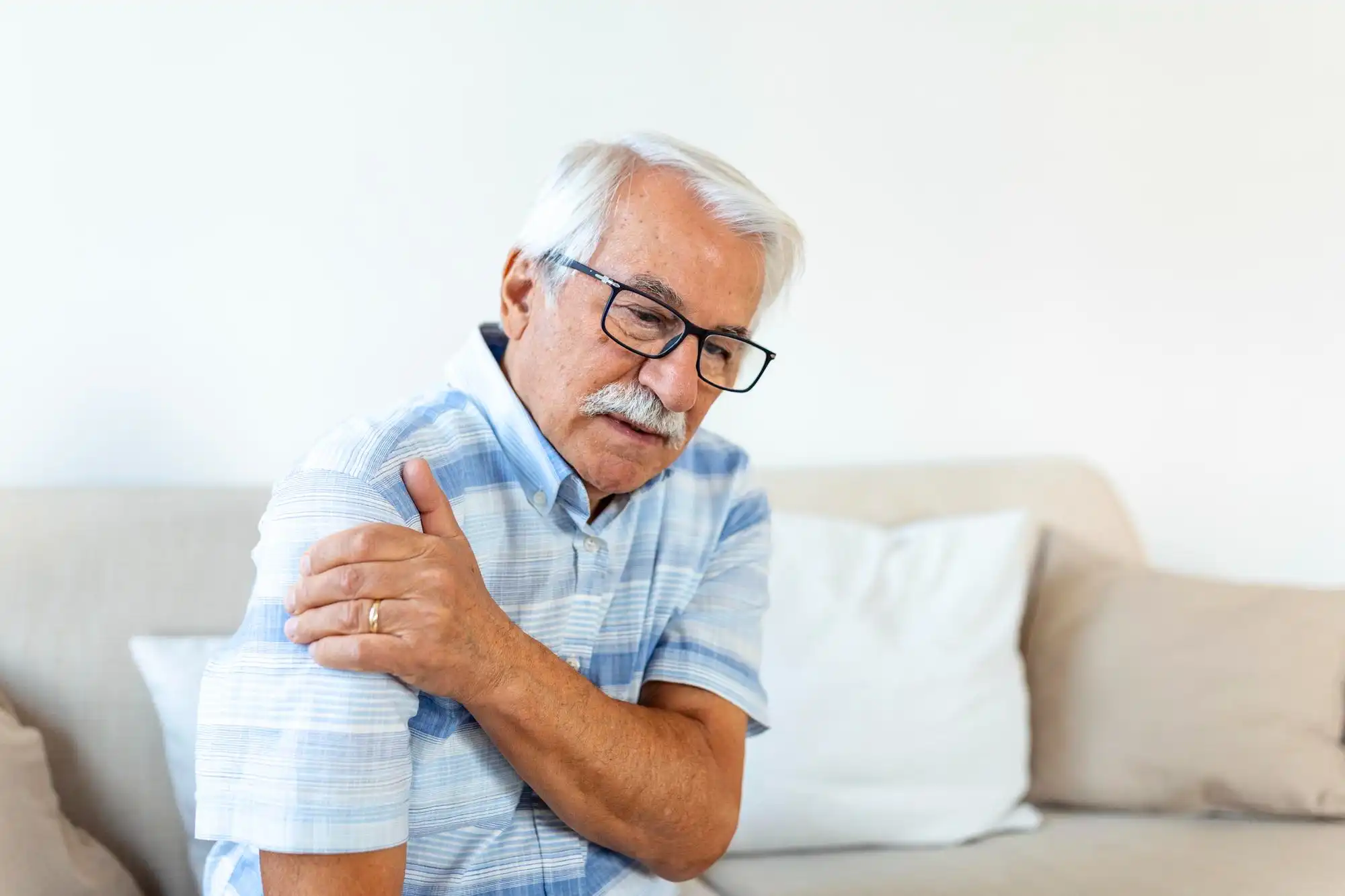
The most common use of acupuncture in seniors is for chronic pain management. Studies show that acupuncture can significantly reduce pain by triggering the release of endorphins and promoting blood circulation. It’s especially effective for:
- Arthritis and joint pain
- Back and neck pain
- Osteoarthritis
- Sciatica
- Post-surgical recovery
Many seniors find that regular acupuncture sessions reduce their dependence on NSAIDs or prescription painkillers.
2. Improved Mobility and Flexibility
Conditions like arthritis or osteoporosis can make movement painful and difficult. Acupuncture can decrease inflammation and improve joint function, allowing seniors to move more freely and confidently, often reducing the need for walkers or canes.
3. Better Sleep Quality
Insomnia and disrupted sleep are common complaints among older adults. Acupuncture has been shown to improve sleep by regulating the body’s natural rhythms and reducing anxiety. By targeting points associated with the nervous system, it helps relax the mind and body for better rest.
4. Enhanced Mental Health and Cognitive Clarity
Seniors frequently face mental health challenges such as depression, anxiety, or even early-stage cognitive decline. Acupuncture promotes the release of serotonin and dopamine, natural mood stabilizers, and helps regulate stress hormones. Some studies also suggest that it may aid memory and focus in mild cognitive impairment cases.
5. Support for Digestive Health
Age-related changes often lead to slower digestion, constipation, and other gastrointestinal issues. Acupuncture can help stimulate gut motility and reduce inflammation, improving symptoms of:
- Constipation
- Acid reflux
- IBS (Irritable Bowel Syndrome)
- Nausea or poor appetite
6. Relief from Headaches and Migraines
Whether caused by stress, vision changes, or tension, headaches are another common issue among seniors. Acupuncture reduces headache frequency and intensity by relaxing tight muscles and improving blood flow to the head and neck.
7. Boosted Immune Function
Aging weakens the immune system, increasing vulnerability to illness. Acupuncture helps regulate immune responses, reducing inflammation and enhancing resistance to colds, respiratory infections, and even autoimmune conditions.
8. Improved Circulation and Cardiovascular Health
Acupuncture can help improve circulation, lower blood pressure, and regulate heart rate variability. While not a replacement for cardiac medications, it can serve as a supportive therapy for those with hypertension or circulation issues.
What Conditions Can Acupuncture Help Treat in Seniors?
Acupuncture may help alleviate symptoms or support recovery in the following conditions:
- Arthritis (Rheumatoid and Osteoarthritis)
- Neuropathy
- Stroke rehabilitation
- Parkinson’s disease symptoms
- Vertigo and dizziness
- Urinary incontinence
- Chronic fatigue
- Fibromyalgia
- Depression and anxiety
- Post-surgical pain and healing
Safety and Considerations for Older Adults
Acupuncture is generally safe when performed by a licensed and trained practitioner. For seniors, some additional precautions are important:
- Ensure thin, high-quality needles are used to reduce bruising or skin irritation.
- Avoid acupuncture on areas with severe osteoporosis or fragile skin.
- Inform the practitioner of all medical conditions and medications, especially blood thinners.
- Choose a provider experienced in working with elderly patients.
Side effects are rare but may include:
- Mild soreness or bruising at the needle site
- Temporary dizziness or fatigue post-session
- Light bleeding (rare)
When performed correctly, most seniors experience immediate relaxation and gradual relief of symptoms.
Combining Acupuncture with Other Therapies
Acupuncture doesn’t have to replace conventional treatments, it often works best when used alongside other modalities:
- Physical therapy
- Massage therapy
- Chiropractic care
- Tai Chi or yoga
- Cognitive behavioral therapy (CBT) for anxiety or depression
Holistic care that integrates acupuncture can improve overall quality of life and reduce the need for medications.
What to Expect During a Session
For those new to acupuncture, the idea of needles might sound intimidating, but most seniors report little to no pain. Here’s what a typical session involves:
- Initial assessment of health history and symptoms
- Pulse and tongue examination (a TCM diagnostic tool)
- Needle insertion into 5-20 acupoints, usually left for 20-40 minutes
- Optional techniques like cupping, heat therapy (moxibustion), or electroacupuncture
Sessions are typically weekly or biweekly at first, tapering off as symptoms improve.
Seniors Finding Relief
Many seniors across the globe report dramatic improvements in their quality of life due to acupuncture. Whether it’s a grandmother walking more freely after years of knee pain, or a retiree finally getting restful sleep after struggling with insomnia, these real-life testimonials highlight just how effective acupuncture can be when integrated into a wellness routine.
Final Thoughts
Acupuncture offers seniors a safe, gentle, and holistic approach to managing chronic pain and improving overall well-being without relying heavily on medications. With its ability to address physical, mental, and emotional challenges, acupuncture empowers older adults to regain control over their health and vitality. For many seniors, this ancient therapy opens the door to healing, energy, and freedom proving that growing older doesn’t have to mean living in pain.
Consider acupuncture for pain relief by visiting the Acupuncture Halls clinic in San Juan Capistrano, California. A licensed acupuncturist is available at the clinic to help. To schedule a meeting, please use this form or give 949-510-6333 a call.