Photo credit to freepik.com
Understanding Psoas Pain and Its Impact
The psoas muscle is one of the most important yet often overlooked muscles in the human body. It connects the lumbar spine to the femur, playing a key role in stabilizing the spine, supporting posture, and enabling hip movement. When the psoas becomes tight or inflamed, it can cause deep discomfort known as psoas pain or psoas syndrome.
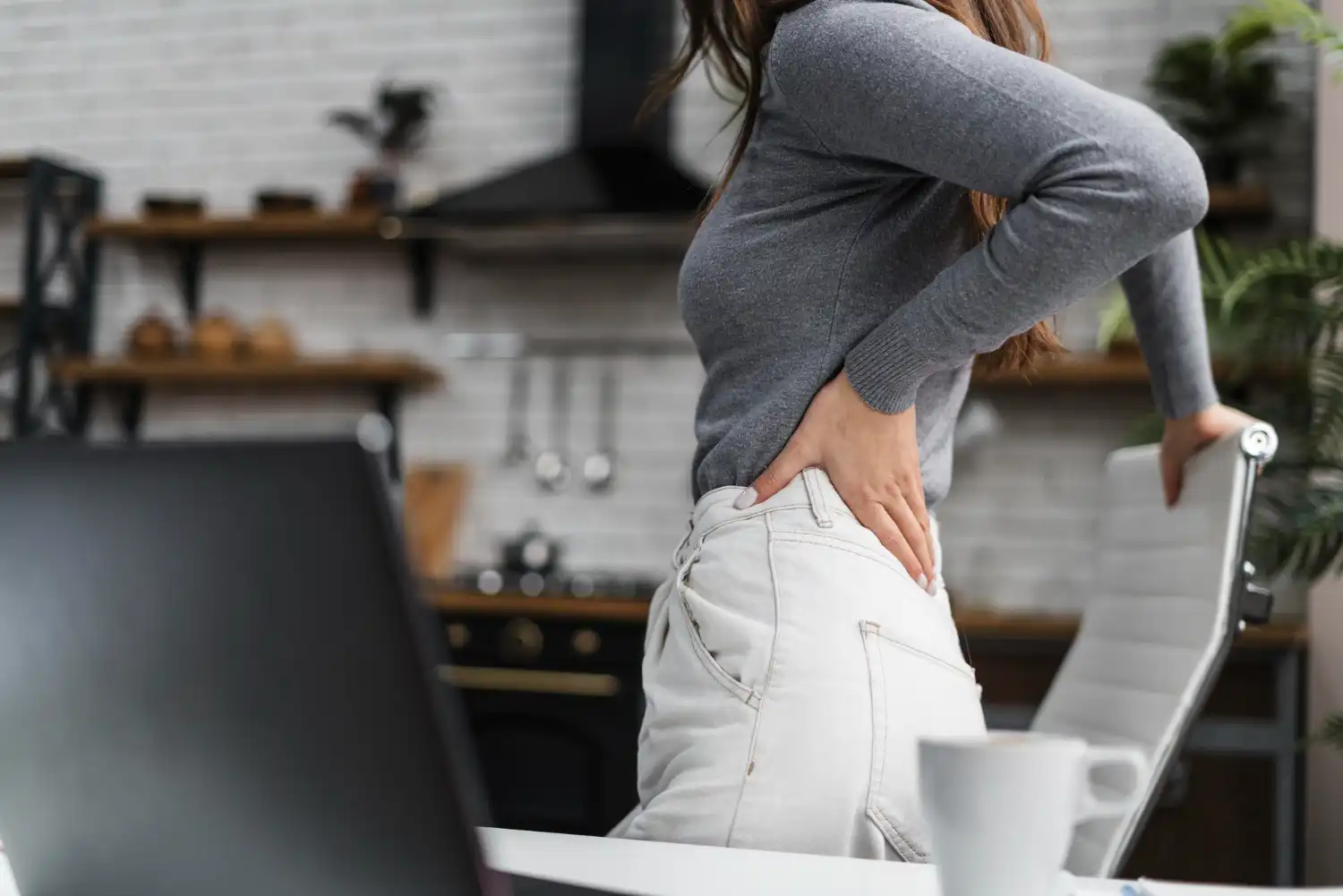
This pain often radiates to the lower back, hips, pelvis, or even down the thighs. Because the psoas is so deeply integrated with the body’s core and nervous system, pain in this area can affect both physical mobility and emotional well-being.
Common Causes of Psoas Pain
Psoas syndrome can develop due to a combination of lifestyle, postural, and emotional factors, such as:
- Prolonged sitting or sedentary work habits
- Repetitive movements or overuse in sports
- Muscle imbalances and weak core stability
- Trauma or injury to the lower back or hips
- Emotional stress, anxiety, or chronic tension (the psoas is closely linked to the body’s fight-or-flight response)
Understanding these underlying causes allows for a more comprehensive psoas treatment plan that addresses the muscle, mind, and energy systems simultaneously.
What Is the Best Treatment for Psoas Pain?
The best treatment for psoas pain involves holistic, non-invasive methods that relax tight muscles, improve circulation, and balance the body’s energy flow. Instead of masking symptoms, these treatments target the root cause of psoas syndrome for lasting relief.
Below are the most effective psoas treatment options recommended by holistic practitioners.
1. Acupuncture for Psoas Muscle Pain
Acupuncture is a time-tested therapy that uses fine needles to stimulate specific meridian points. It is highly effective for psoas pain because it:
- Enhances blood and energy flow to the lower back and hips
- Reduces inflammation and relieves deep muscular tension
- Regulates the nervous system, easing chronic pain and stress
- Encourages emotional release from stored trauma within the psoas muscle
Many patients report immediate relaxation and improved flexibility after several acupuncture sessions, making it a cornerstone in holistic psoas treatment.
2. Cupping Therapy for Psoas Tension
Cupping therapy complements acupuncture by improving circulation and releasing tight fascia surrounding the psoas muscle. During cupping, glass or silicone cups are placed on the skin to create suction. This draws blood to the surface, encouraging healing and reducing muscular stiffness.
Cupping helps to:
- Release deep-seated tension around the hip flexors and lower back
- Flush out toxins and stagnation from the soft tissues
- Decrease inflammation and muscle adhesions
- Support faster recovery after exercise or strain
Cupping can be performed on the lower back, glutes, and thigh areas to indirectly relax the psoas muscle. When combined with acupuncture, it creates a synergistic healing effect.
3. Myofascial Release and Therapeutic Massage
Deep tissue or myofascial release techniques target the connective tissues surrounding the psoas muscle. Skilled therapists use gentle, sustained pressure to lengthen tight fascia and restore mobility.
These sessions can relieve psoas pain caused by overuse or poor posture. Incorporating massage with breathwork helps the body fully relax, enhancing results from other holistic treatments.
4. Physical Therapy and Corrective Exercise
Physical therapy plays an essential role in psoas treatment by strengthening supportive muscles around the hips and spine. Therapists often prescribe:
- Gentle hip flexor stretches
- Core stability and pelvic alignment exercises
- Mobility drills to improve hip rotation
This approach not only treats psoas syndrome but also helps prevent future imbalances and injuries.
5. Yoga, Breathwork, and Mindful Movement
The psoas is highly sensitive to emotional tension. Gentle yoga and breathwork practices encourage release on both a physical and energetic level.
Recommended poses include:
- Low Lunge (Anjaneyasana) – opens the hip flexors
- Bridge Pose (Setu Bandhasana) – strengthens and lengthens the psoas
- Reclined Bound Angle Pose (Supta Baddha Konasana) – promotes relaxation and emotional release
Combining yoga with slow, conscious breathing helps restore harmony to the nervous system and relieves chronic psoas pain.
How to Release Tension in the Psoas
Releasing tension in the psoas requires a combination of physical, emotional, and energetic practices.
Practical Techniques to Release Psoas Tension
- Gentle Stretching:
- Lie on your back and pull one knee toward your chest while keeping the other leg extended.
- Hold for 30 seconds to one minute on each side.
- Deep Breathing Exercises:
- Practice diaphragmatic breathing to relax the nervous system and reduce tension in the psoas.
- Foam Rolling and Self-Massage:
- Gently use a foam roller or massage ball around the hip and lower back area to improve circulation.
- Emotional Release Practices:
- The psoas muscle often stores emotional stress. Mindfulness, meditation, and energy healing can help release trapped emotions.
- Acupuncture and Cupping:
- Schedule regular sessions with a licensed practitioner to maintain relaxation and promote healing from deep within.
Holistic Healing for Long-Term Relief
Holistic psoas treatment focuses on restoring balance to the entire body. By integrating acupuncture, cupping, massage, yoga, and breathwork, patients can experience lasting relief, improved posture, and renewed vitality.
Lifestyle Tips for a Healthy Psoas
- Take breaks from long sitting periods and move regularly
- Maintain proper posture while working or driving
- Stay hydrated to support muscle elasticity
- Practice mindfulness or relaxation to manage emotional stress
- Engage in low-impact exercises that strengthen the core and hips
Final Thoughts
Psoas pain is not just a muscular issue, it reflects the body’s physical and emotional state. Through holistic treatment methods such as acupuncture, cupping, and mindful movement, you can restore balance, ease discomfort, and promote overall well-being. When the psoas muscle is healthy and free of tension, your body moves gracefully, your posture improves, and your inner sense of calm deepens.
If you’re considering acupuncture or cupping therapy for psoas pain, visit Acupuncture Halls in San Juan Capistrano, California. The clinic is led by a licensed acupuncturist specializing in effective, holistic psoas pain treatment. To schedule an appointment, simply fill out the Acupuncture Halls Contact Form or call 949-510-6333.